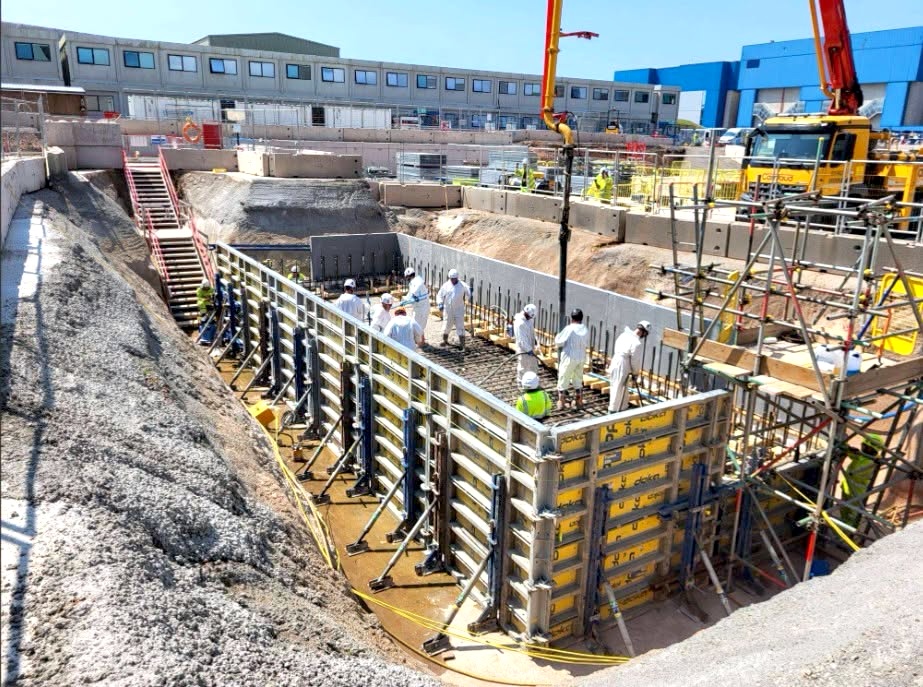
Sellafield has dug its big hole and sent the excavated material for “recycling”
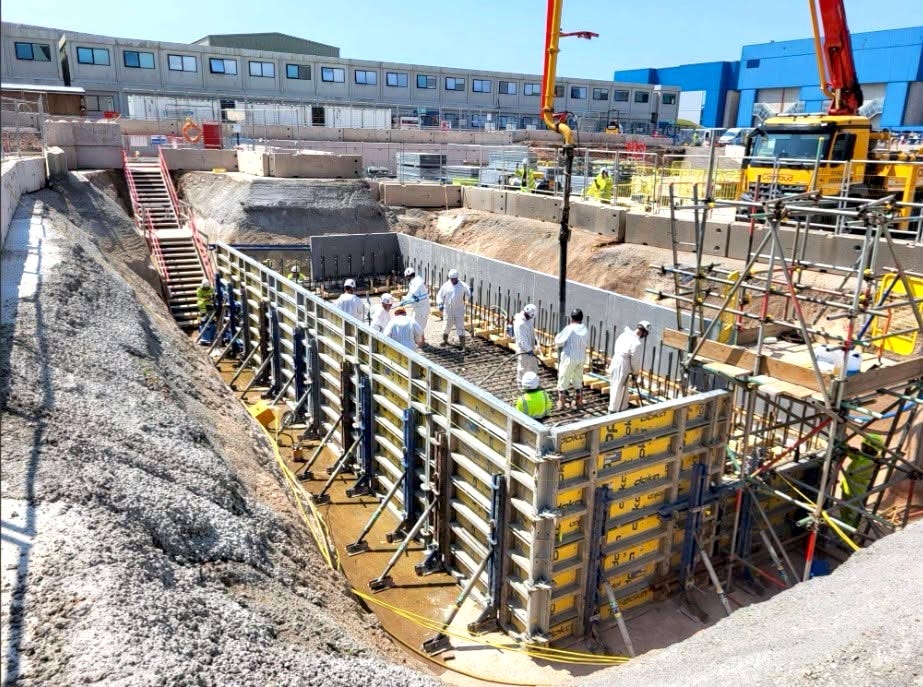
Image: Sellafield Ltd facebook post 21st August 2026
Many thanks to people’s generosity we were able to put up a legal challenge against Sellafield digging a big hole and discharging the resulting chemically and radioactively contaminated waters to the rivers and sea.
If you dig a hole in Cumbria it fills with water.
The Magnox Swarf Storage Silo (MSSS) is “Britain’s most hazardous building”. It has been leaking radioactive “material” for over 30 years. According to MP Luke Charters, “every three years the silo leaked enough material to fill an ‘Olympic-sized swimming pool.”
If you dig a hole right next to the leaking Magnox Silos on the Sellafield site, is the water filling the hole fresh, or contaminated?
What do you think?
Despite the obvious concerns, the Environment Agency greenlighted Sellafield to dig this very hole, and to discharge the resulting contaminated water to the rivers Calder and Ehen.
We put up a strong legal challenge and appeal with lawyers Leigh Day which was unexpectedly halted when Sellafield announced they had already done the work, so they wouldn’t need a licence from the Environment Agency after all.
Yet, in 2021, the Environment Agency said “we expect the [Magnox Silos] leak to result in significant contamination of the ground at Sellafield.”
It’s like that philosophy cliché: if the water is radioactive, but the regulator doesn’t monitor it, is it really radioactive?
And, perhaps you’re wondering what the reason is for this big hole?
The reason is to build a new storage facility called BEPPS2, to decant waste from the MSSS, so that the silos can be topped up with more freshwater in an effort to dilute the leaking contents.
Guess why the leaks are so hard to find and plug …
… Because they’re several metres underground.
So is the new BEPPS2 storage facility. 7 metres deep.
We asked, under Freedom of Information, for the reason why the new nuclear waste store requires a 7-metre-deep hole. Sellafield refused to answer, due to reasons of ‘national security’.
For the sake of national security, we would argue that digging big holes on the Sellafield site should be subject to full hydrological, environmental and geological scrutiny, regarding the ‘significant contamination of the ground.’
There’s more.
What has Sellafield done with the approximately 44 tonnes of excavated material?
We asked under Freedom of Information and would you believe it has gone to a local recycling centre, which provides the public with top soil for garden centres, schools, anyone who wants to buy “recycled aggregates, sub-base, top soil and sand.”
Do those buying this top soil know it has come not only from Sellafield but from the area adjacent to the leaking Magnox Silos?
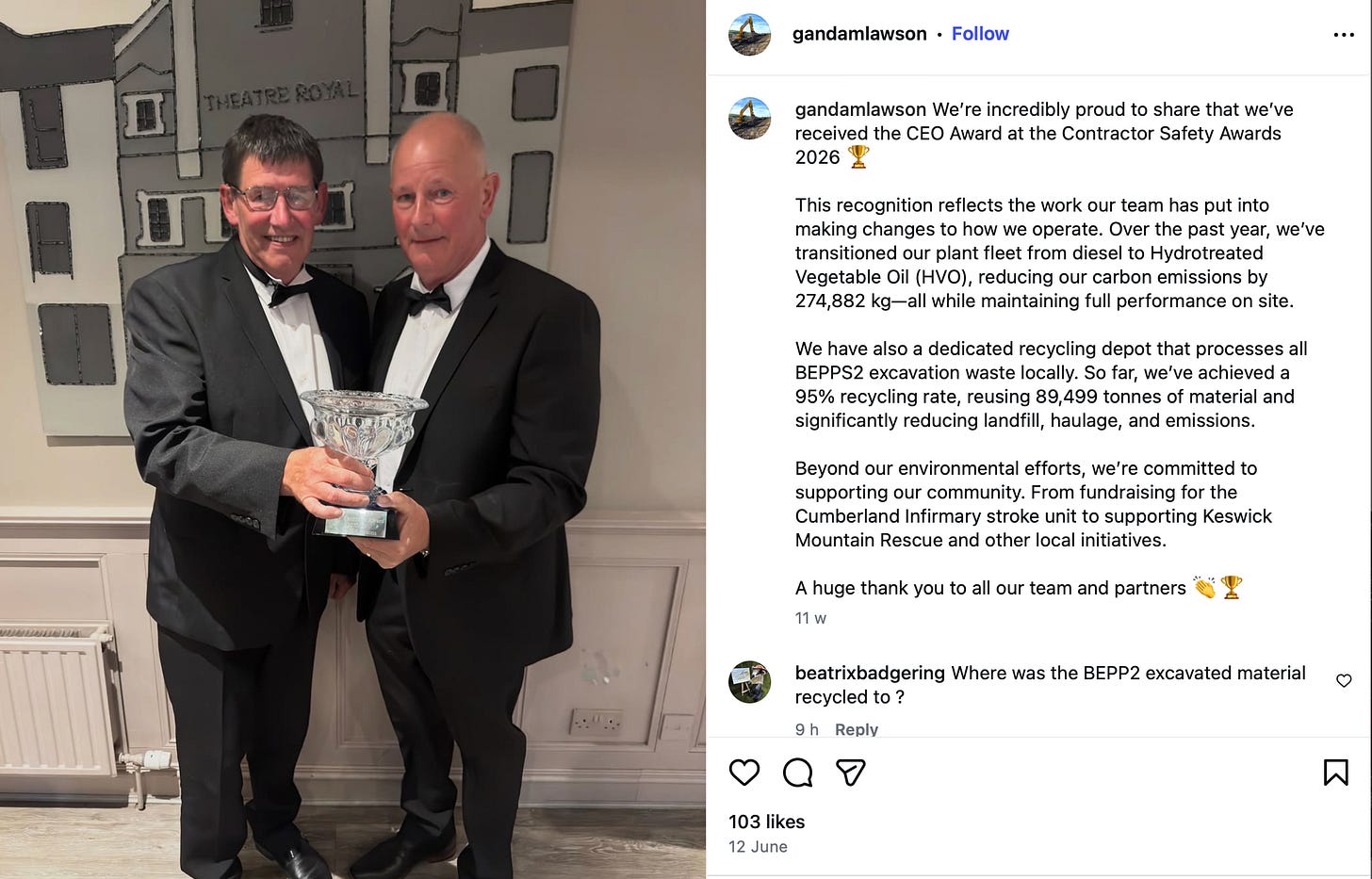
Maybe they do and are complacent about chemical and radioactive contamination from Sellafield as the contractors G&AM Lawson Ltd are proud to announce on their instagram that “We have also a dedicated recycling depot that processes all BEPPS2 excavation waste locally. So far, we’ve achieved a 95% recycling rate, reusing 89,499 tonnes of material and significantly reducing landfill, haulage, and emissions.”
How hot do you like your fresh tomato salsa?
We will continue to push back against the poisoning not only of our rivers but of ourselves from nuclear wastes.
Refs:
Environment Agency – “Significant contamination” including Strontium 90 in the River Calder from leaking Magnox Silos https://assets.publishing.service.gov.uk/media/62c59990e90e077485f50a0e/KP3690SX_V012_MSSS_improvement_requirement_Decision_Document.pdf
BBC Article: Leak is Sellafield’s biggest environmental issue: https://www.bbc.co.uk/news/articles/ckgy77y21djo
Excavated material sent to local recycling centre despite close proximity to leaking Magnox Siloshttps://www.whatdotheyknow.com/request/excavated_material_from_7_metre#outgoing-2135754


Leave a Reply